
What Every Tourism Region Should Be Doing Now to Prepare Operators for the Next Disaster
May 30, 2025
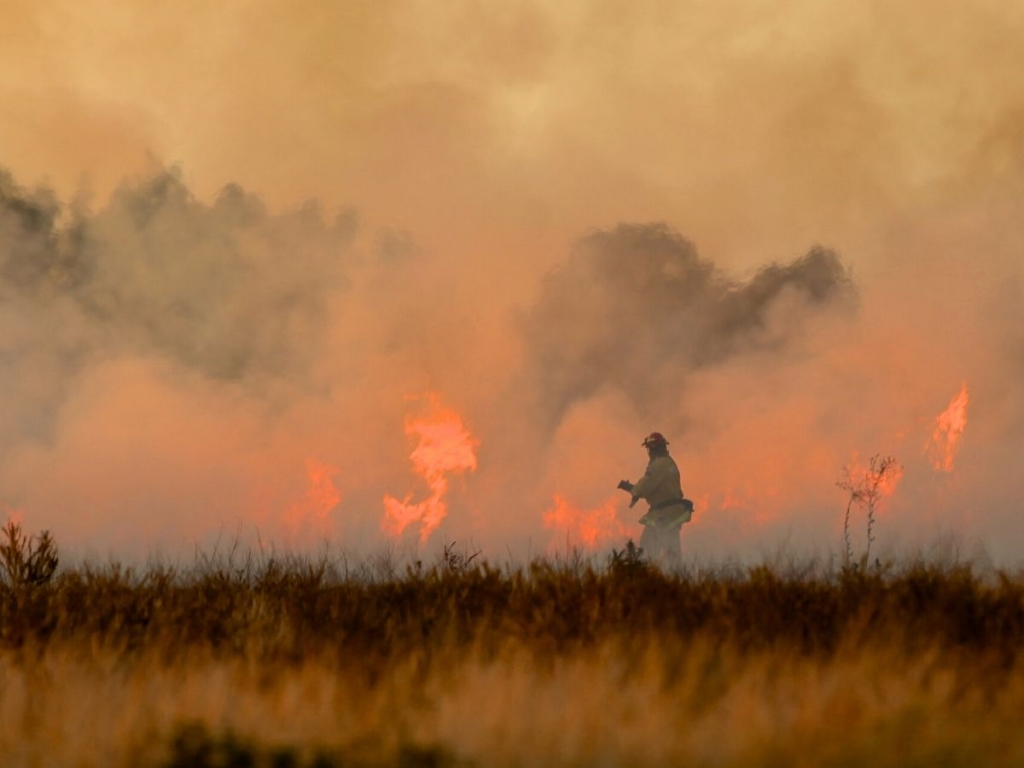
As ‘unprecedented’ forest fires and severe weather events continue across Australia, Canada, the United States and Europe, tourism organisations, regional councils and local operators all need to face a key fact: regions feel the economic impact of disasters far more deeply when operators weren’t prepared or aligned before it hit. When businesses are unsure what to say, post updates too slowly or contradict each other online, visitors turn instead to media headlines and community Facebook groups. That’s when misinformation spreads, cancellations spike and recovery drags on far longer than it should.
We’ve been through it – and we want to help
The biggest communication failures we see during fires, floods and severe weather events aren’t caused by a lack of information. They’re caused by too much noise from the wrong sources – sensational media or people chasing engagement – and too little factual, current information from the businesses who actually care about regional recovery. When every operator has a coordinated, consistent message about status, safety and visitor experience, the entire region stabilises faster. This isn’t just professional expertise — it comes from real lived experience.
Fires and other natural disasters on the increase

My name is Julia Retson and I’m Tourism Tribe’s Operations Manager. I’m originally from Canada and worked as a forest firefighter deployed across Ontario, Saskatchewan, Alberta and BC during the early 2000s fire seasons. Now, from around the globe, I’m reading more reports of larger fires, floods and cyclones – evacuations, disruption and untold impacts on regions that rely on visitor numbers to stay afloat. I know how frightening and overwhelming it can be to be nearby when a natural disaster hits.
Don’t Make the Same Mistakes We Did: The Real Cost of Poor Communication
In 2018, we experienced our own forest fire emergency in Agnes Water, Queensland, where I now live. Many homes were lost and it was a scary time, but our co-founder Fabienne Wintle, who is also the VP of our local chamber of commerce, saw just how much unnecessary cost poor preparedness and communication caused local businesses. The media told dramatic stories and social media amplified them. The fire was under control within about a week and it never directly impacted the town, but visitors were confused and scared for weeks afterwards. Many thought it wasn’t safe to visit or that the whole region was affected. It resulted in thousands of dollars in cancellations, even though most of the region was safe and open. Despite best efforts from many operators, the local tourism economy suffered unnecessary cancellations for months.
The big lesson: Operator preparation and alignment matters in times of crisis
From our Agnes Water experience, and from every disaster-affected region we’ve supported, the same lesson keeps coming up: operators must be prepared before anything goes wrong. When businesses contradict each other online (for example with outdated status posts) or remain silent because they don’t know what to post, visitors look elsewhere for answers. That’s when misinformation spreads and cancellation waves hit. If your operators are prepared and aligned, your region is prepared.
We realised how critical it is to have communication plans ready before disaster strikes. So we built our Crisis Management and Communication Course with small tourism operators in mind – to help communities avoid the same mistakes we made, so they don’t have to learn the hard way like we did.
What This Course Offers
We designed our Crisis Management and Communication Course for tourism organisations and businesses, with ready-to-use tools and templates that include:
- Emergency messaging guides
- Tips for social media and media management
- Cross-organisation coordination advice
- A practical checklist and response framework
It’s plain-English, no-nonsense help for when the pressure’s on.

Crisis Management and Communication
In today's dynamic business landscape, resilience in the face of crises is not just a choice, but a strategic imperative for every business owner. Our comprehensive course on crisis management and communication empowers you with an in-depth understanding of the diverse forms crises can take and their profound implications on your business. Drawing on a blend of research, real-life experiences, and illuminating case studies, this course equips you with battle-tested methods to safeguard your business through proactive learning.
Whether your town or region is currently under threat, recovering, or simply preparing for the season ahead, this course can help minimise negative impacts to your business and your region when the unexpected happens. It works for individual operators or as the base content for a broader resilience program if you – as a tourism board, local council or tourism association – want to prepare your region in advance to be more resilient and bounce back faster when it matters most.
For councils, DMOs and tourism organisations, the quickest path to resilience is helping operators build their own simple crisis plans. When businesses across a region share a consistent communication approach — including what to post, how to update guests and how to correct misinformation — your destination recovers sooner and with fewer economic losses.
We’ve been there. We understand the pressure. And we’re here to make sure you don’t have to reinvent the wheel or feel the pain we did.
Get in Touch – We’re Here to Support You
If your region wants to be ready before the next severe weather event, our Crisis Communication Course is built to train operators quickly and consistently. Many councils and tourism organisations run this as part of their resilience or digital capability programs so their operators are aligned and confident when it matters most.
If you or your members would benefit from this training, we’d love to hear from you.
Explore our past programs or visit our Industry Training page to see how we help regional tourism grow stronger and smarter and if you’d like to talk about a tailored program for your area, simply fill out the form at the bottom of the Industry Training page.
From one small tourism community to another – we’ve got your back.
Further reading on crisis preparedness
- How to communicate clearly during a crisis
- What to do when media coverage damages your destination
- Quick tips: crisis preparedness checklist for tourism businesses
- Discovery Coast Tourism Crisis Management Program: Building Resilience in Agnes Water
- Building Tourism Resilience in Moreton Bay: A Practical Crisis Management Program
- View all articles in our crisis preparedness collection
How does poor communication actually hurt a tourism region during a crisis?
When operators go quiet or post conflicting messages, visitors rely on media headlines and community Facebook groups instead. That’s where misinformation spreads fastest. The result is cancellations, confused travellers and a recovery period that drags on far longer than necessary.
What should operators communicate if they aren’t directly affected but their region is in the news?
They need to clearly state their status, show what’s open and safe, and if possible collaborate with other businesses and regional offices to amplify each other’s messages. Silence or vague “business as usual” posts won’t counter widespread assumptions.
Does every business really need their own crisis communication plan? What if we’re just a small business with 1-2 employees?
Yes. Even the smallest tourism business needs a simple plan. When something goes wrong in your region, visitors will check u003cemu003eyouru003c/emu003e website, u003cemu003eyouru003c/emu003e socials and u003cemu003eyouru003c/emu003e booking confirmations to understand what’s happening. If you’re scrambling to work out what to say, you lose valuable time and risk more cancellations. A basic plan with pre-written messages, clear actions and update points means you can communicate quickly, confidently and consistently – even when you’re under pressure.
How can councils and tourism organisations help operators prepare?
Provide training and simple tools that operators can actually use under pressure. A short crisis communication plan, pre-approved messaging templates and clear update channels make a world of difference when conditions change quickly.
What essentials should a business have ready before a crisis hits?
A few basics make all the difference. Businesses need to know how to add a simple banner to their website, have a current Google Business Profile, active social channels, know how to login to all of these platforms, have recent photos and videos of their business, have and a simple crisis communication plan including backup people with access to their logins and simple communication templates. These foundations make it possible to update guests quickly and keep cancellations to a minimum.

Pocket Rocket App — Free
Your free AI marketing coach, right in your pocket
The free Pocket Rocket app gives you a personal AI marketing coach, website audit, weekly action plans and 5-minute tips. Built for tourism operators.